

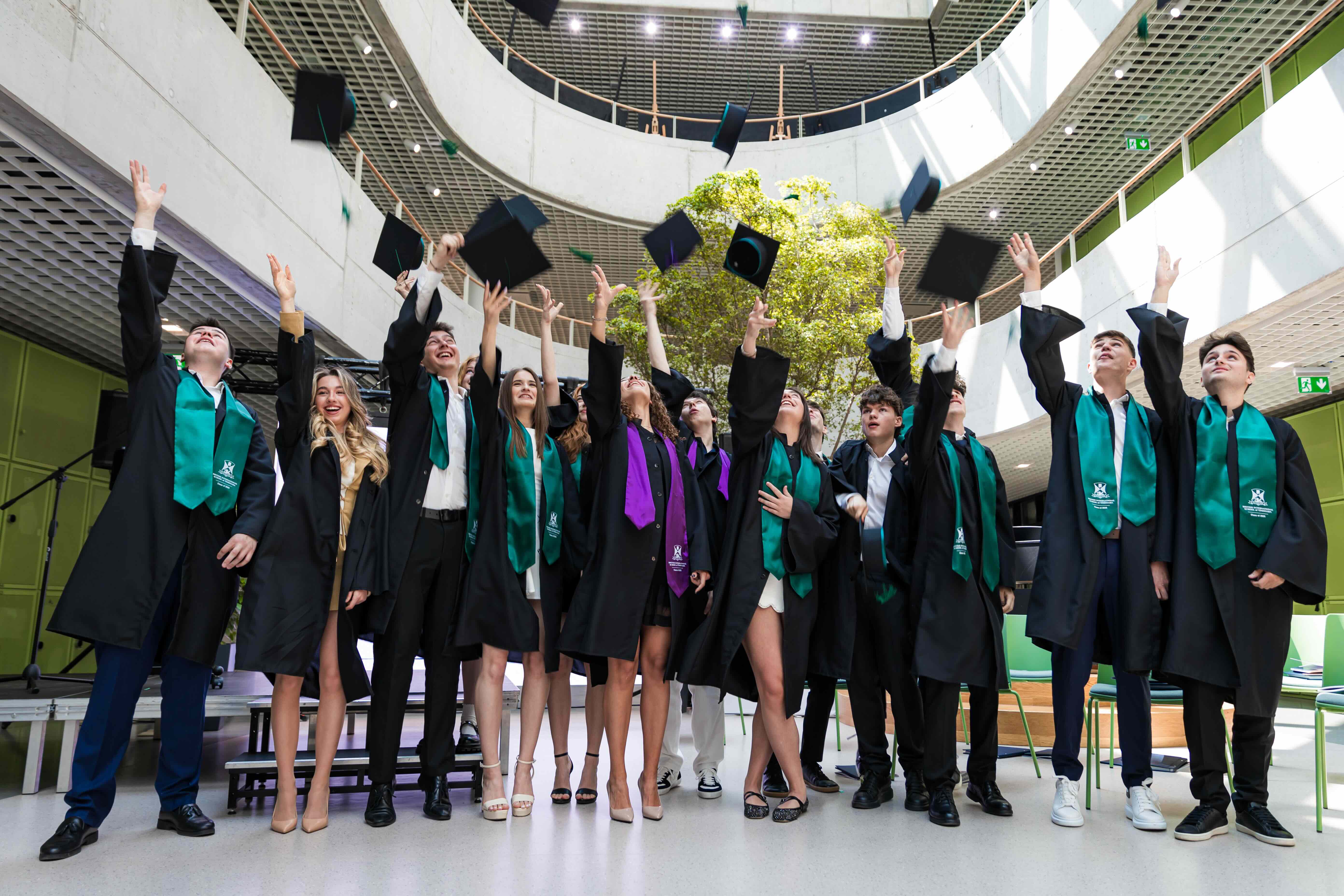
our curriculum
A Clear Path Through Every Stage of Learning
From Reception to the International Baccalaureate Diploma Programme, every stage builds confidence, curiosity, and academic excellence.
Primary School
The National Curriculum of England – organised and monitored by the Department for Education in England (DFE), enriched with elements from the Cambridge Assessment International Education in English and Mathematics.
In addition, students will study Romanian Language.
Reception
The Reception programme follows the Early Years Foundation Stage (EYFS) and combines structured learning with purposeful play. Children develop communication, early literacy and numeracy, physical skills, and personal and social confidence, building strong foundations for Primary School.
Key Stage 1
Students follow the Cambridge Primary curriculum, strengthening core skills in English, Mathematics and Science. Through structured lessons and hands-on activities, children develop reading, writing and numeracy while building curiosity and confidence. Science, Social Studies, ICT and the Arts broaden their understanding of the world and encourage creativity, critical thinking and independent learning.
Key stage 2
Students deepen their knowledge and strengthen communication and application skills across all subjects. English develops reading, writing and effective expression, while Mathematics advances reasoning and problem-solving. Science promotes inquiry and practical investigation, and students begin studying a Modern Foreign Language — German, Spanish or French. Through collaborative projects and structured learning, they prepare confidently for the transition to Secondary.
Secondary School
The Secondary School curriculum is based on the National Curriculum of England, complemented by the Cambridge Assessment International Education programmes, leading to IGCSE and the IB Diploma Programme. This structure provides students with a clear and internationally recognised academic pathway.
In addition, students continue to study Romanian Language.
Key Stage 3
The academic programme is based on the National Curriculum in England in all subjects, with the exception of: Romanian Language, English, Mathematics and Science. The school is using the Cambridge Assessment International Education programme for English, Mathematics and Science. This is called the Cambridge Lower Secondary 1 programme and it provides the perfect bridge towards Key Stage 4.
The purpose of the Key Stage 3 curriculum is to provide students with a wide variety of experiences and opportunities which will allow them to discover and develop skills and passions, but also to provide them with a solid academic base for their two-year IGCSE programme starting in Year 10.
Key Stage 4
The academic programme is based on the Cambridge Assessment International Education curriculum in all subjects, with the exception of Romanian Language. By the end of Year 11, students will sit the Internationally General Certificate of Secondary Education (IGCSE) exams in all their subjects (except for Romanian Language). The IGCSE is the equivalent of the qualification achieved by students in the schools in England at the same stage.
Key Stage 5
The academic programme is based on the International Baccalaureate Diploma Programme and A-Levels. Students completing the Cambridge iGCSE programme are eligible to start the IB Diploma Programme in Year 12, under certain established criteria. Students not meeting the requirements for the IB Diploma Programme, will be given the option to improve their iGCSE portfolio by retaking certain iGCSE exams or start alternatives programs offered by the school.
The IB Diploma Programme successfully completed, together with the Cambridge iGCSE portfolio will allow our students to apply to any university in the world, including Romania.
The Student's Journey
We guide every student through a personalized learning pathway, from discovering curiosity to defining purpose.
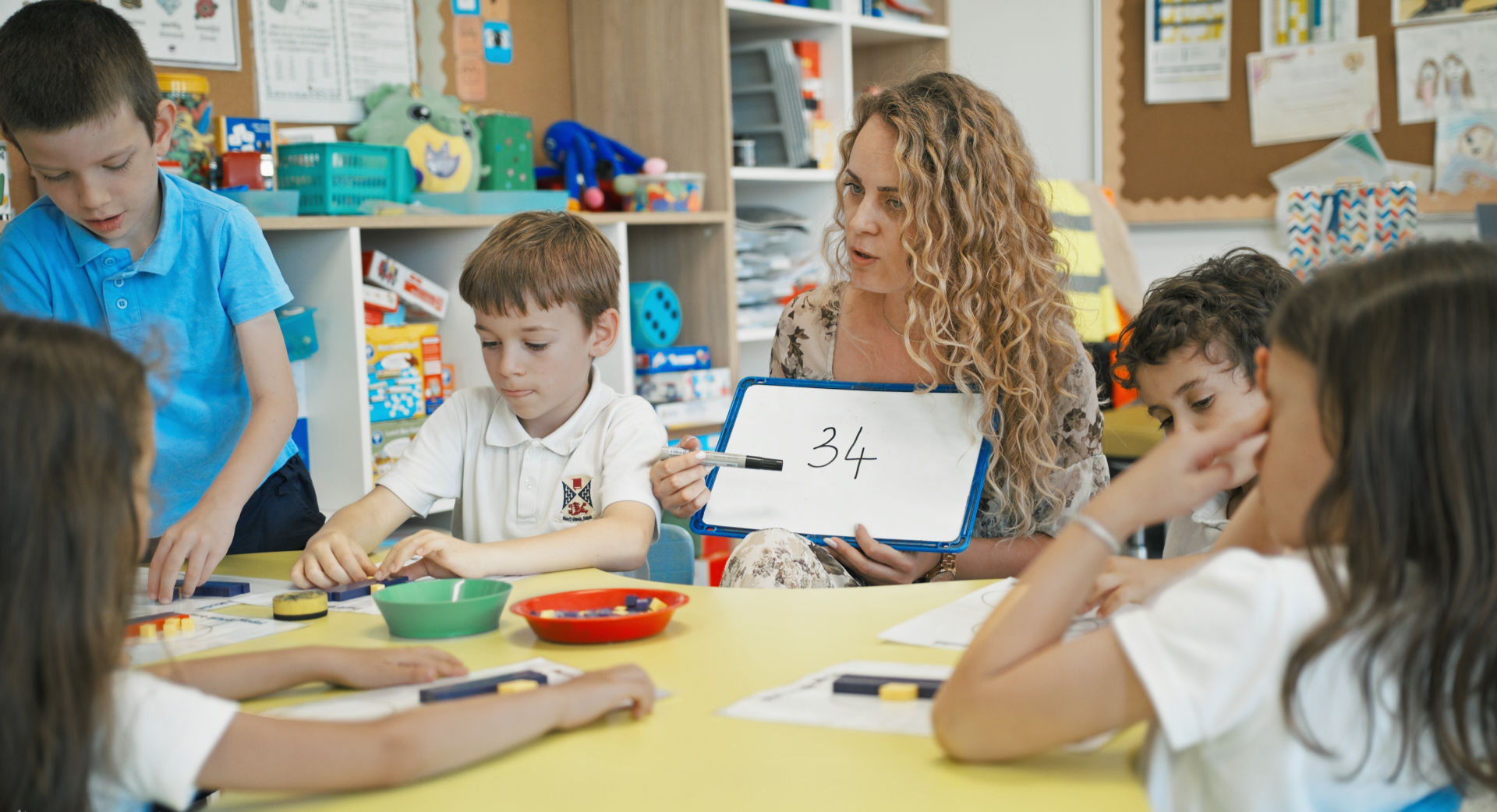
Primary School
Reception stage
We encourage children to explore, to make mistakes, to express themselves.
01 Communication and language
02 Physical development
03 Personal, social and emotional development
04 Literacy development
05 Mathematics
06 Understanding the world
07 Expressive arts and design
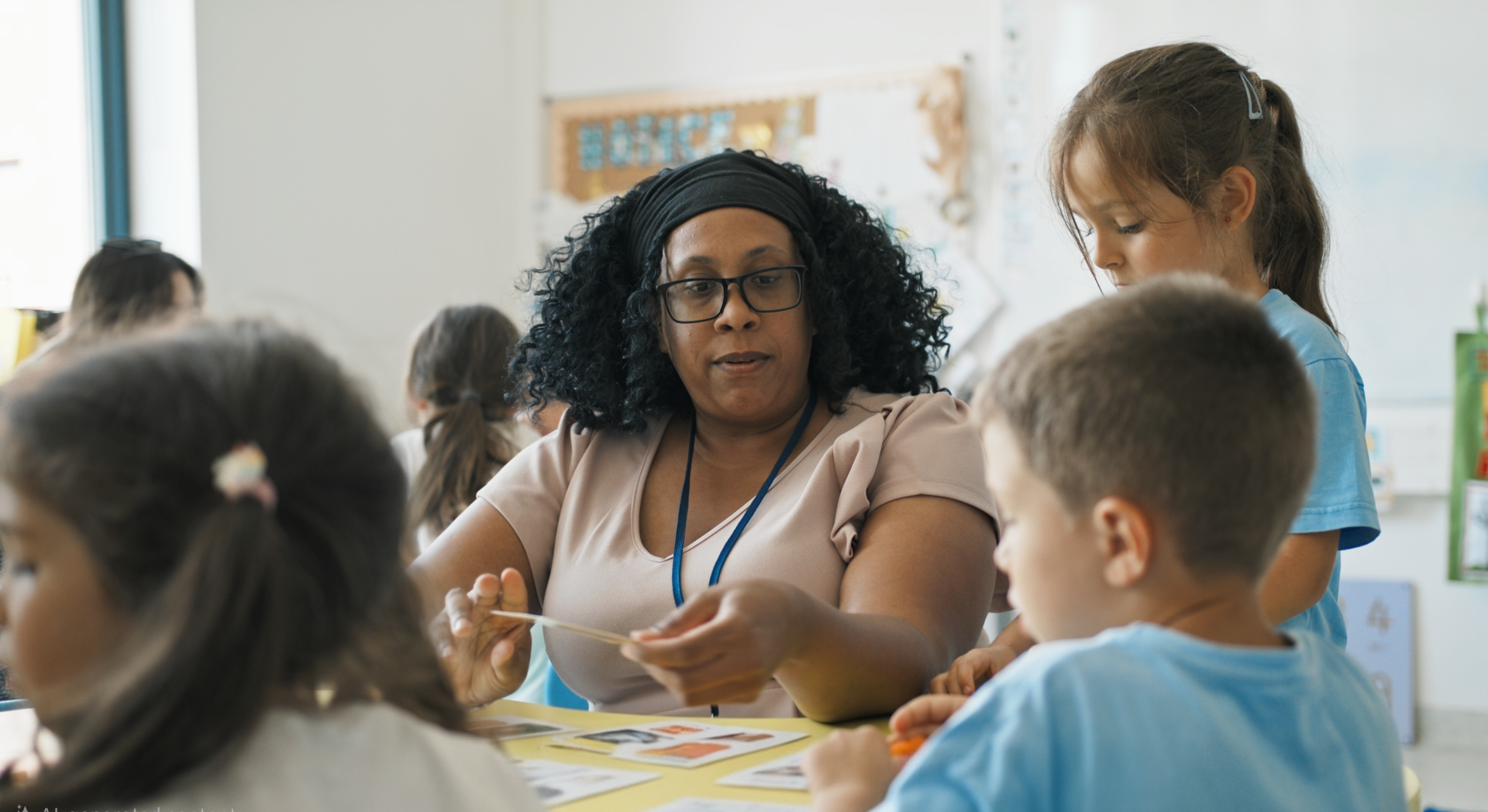
Year 1 & 2
Exploring and Learning the basics of the curriculum.
01 Communication and Language
02 Early Numeracy and Problem-Solving
03 Curiosity and Cross-Curricular Thinking
04 Creativity and Self-Expression
05 Independence and Social Development
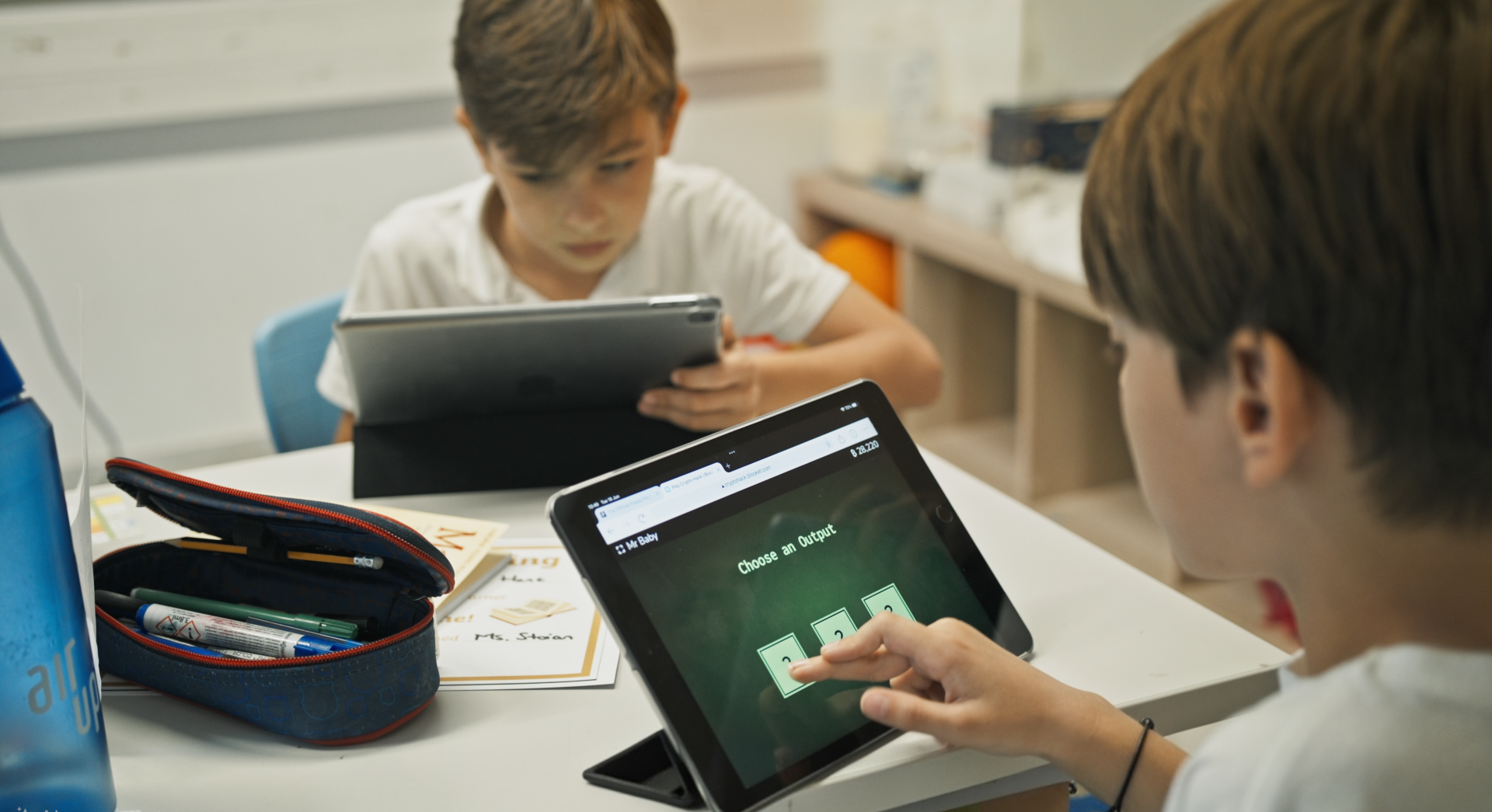
Years 3-6
Developing Communication and Application Skills
01 Advanced Communication and Language
02 Analytical Thinking and Problem-Solving
03 Independent Learning and Responsibility
04 Creative and Interdisciplinary Thinking
05 Leadership and Collaboration
SECONDARY SCHOOL
Years 7-9
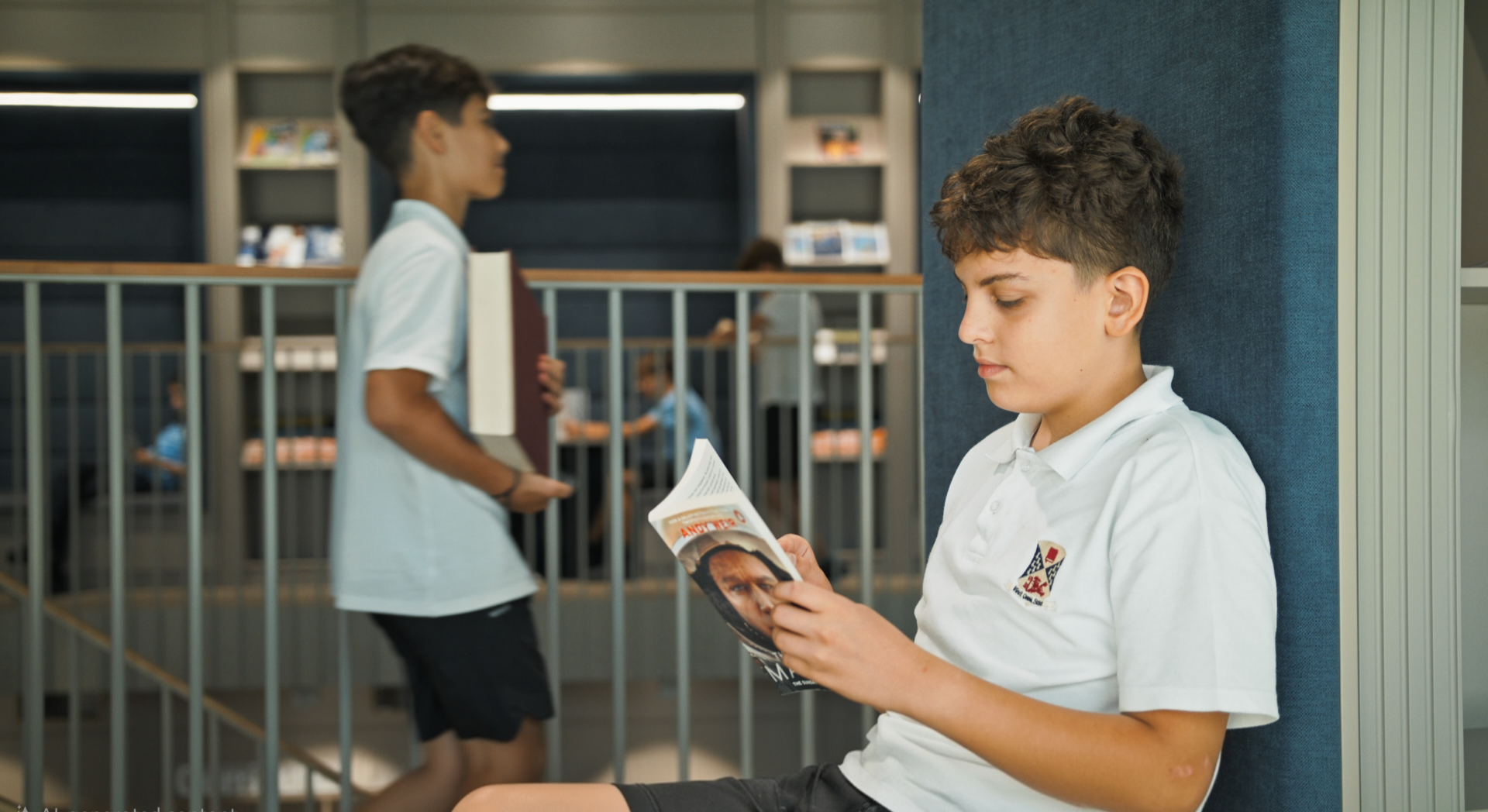
The school teaches me how to think, not what to think.
01 Critical Thinking and Argumentation
02 Academic Specialisation
03 Intellectual Curiosity and Subject Exploration
04 Organisation and Study Skills
05 Global Perspective and Cultural Awareness
Year 10 & 11
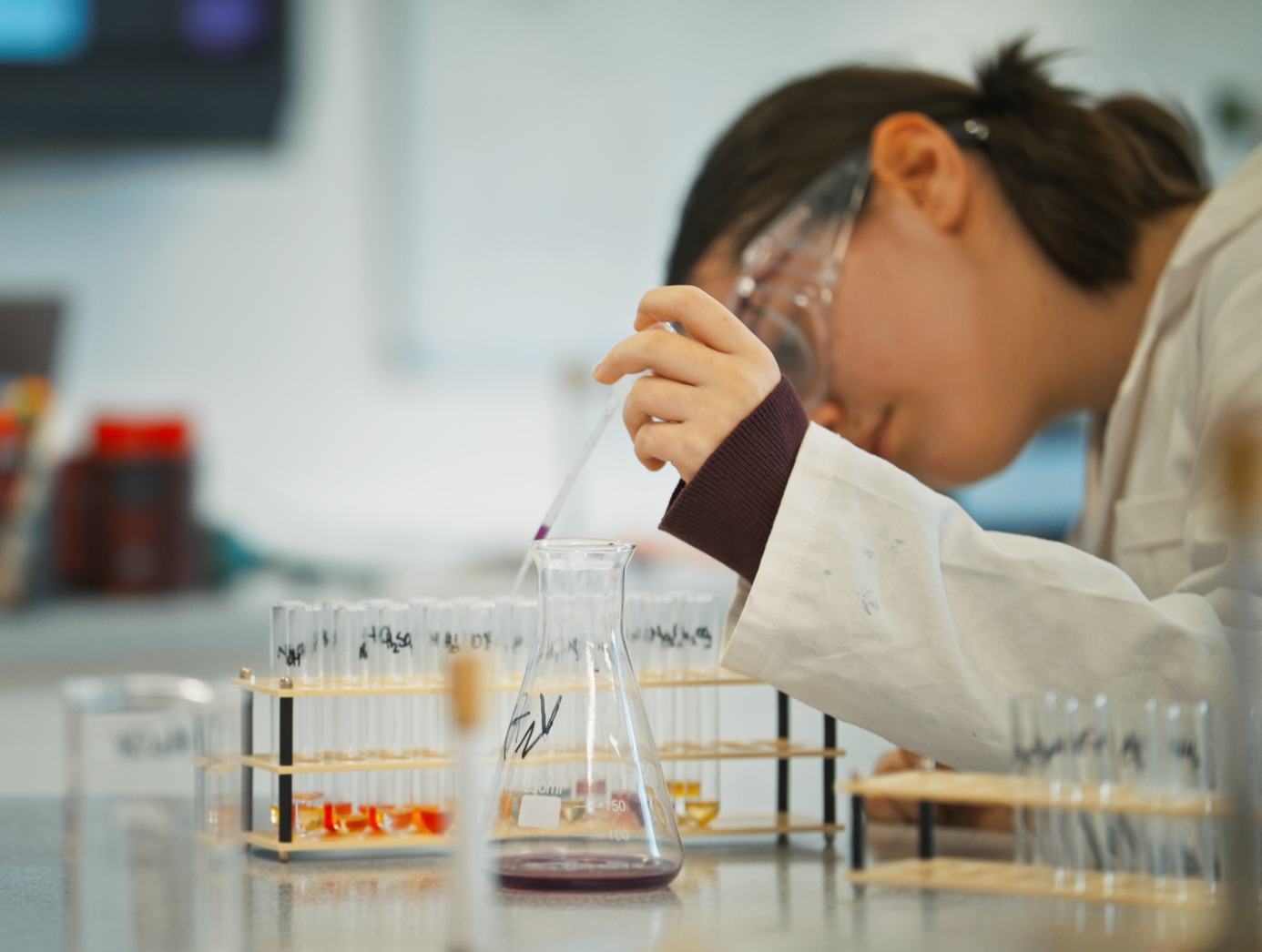
Critical thinking, analysing and debating. Making choices.
01 Informed Academic Choices
02 Advanced Analytical Thinking
03 Independent Study and Discipline
04 Subject Mastery and Specialisation
05 Preparation for Future Pathways
Year 12 & 13
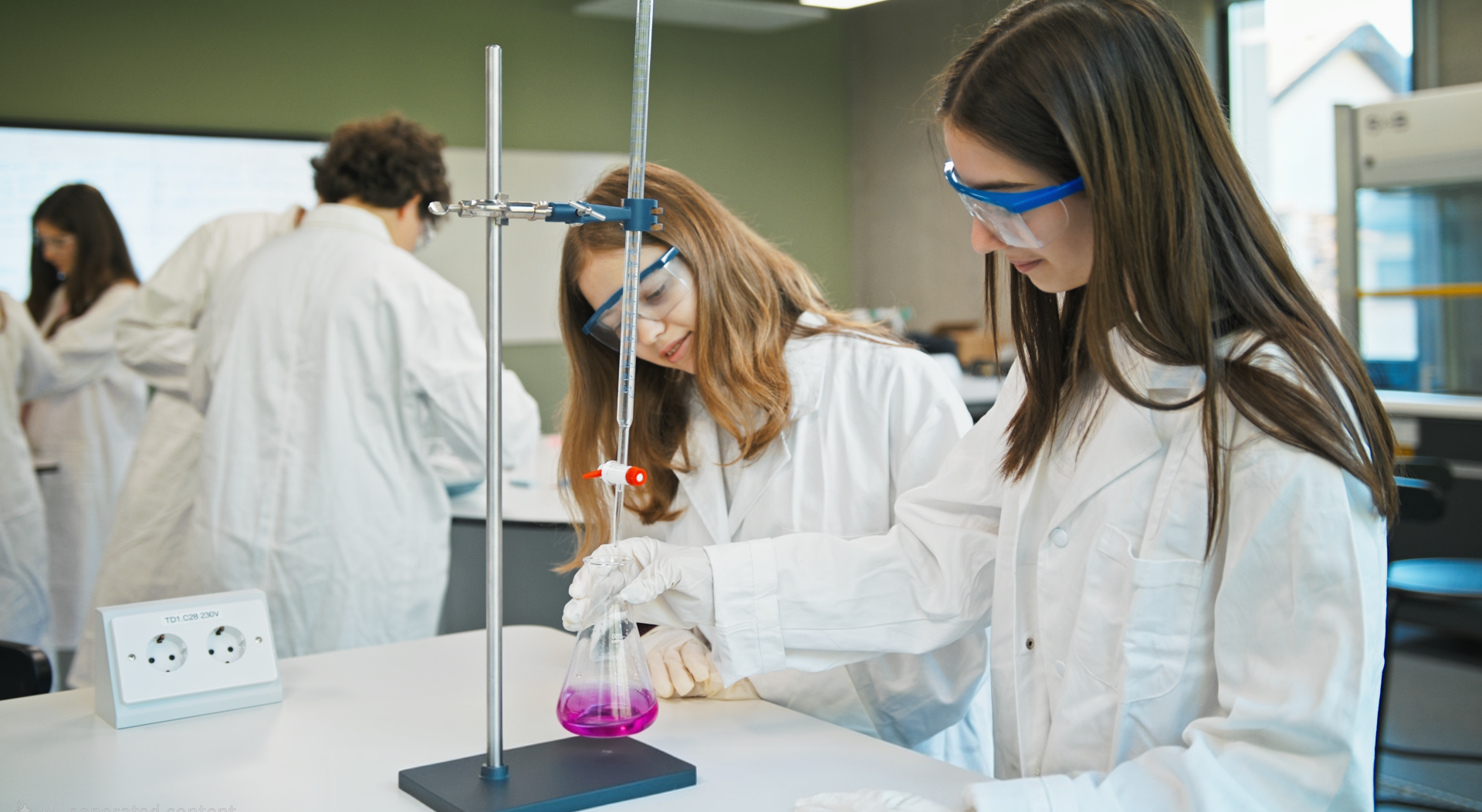
Choices and Ambitions. Career Preparation.
01 Academic Specialisation and Intellectual Depth
02 Independent Research and Inquiry
03 Leadership and Social Responsibility
04 Preparation for University and Future Pathways
National & International Universities
Our students receive offers from and go on to study at universities around the world. These destinations reflect their individual interests, ambitions and the strength of their academic preparation at British International School of Timisoara.
Romania
Universitatea de Vest Timișoara – Marketing
Universitatea Politehnică din Timișoara – Construcții, Inginerie Civilă
Universitatea de Medicină ”Victor Babeș”
Universitatea de Știinețele Vieții ”Mihai I”
United Kingdom
University of Westminster – Architecture
University of Birmingham – International Relations and Political Science
Institute of Contemporary Music Performance – Creative Musicianship
Leeds Conservatoire – Film, TV and Games Music
University of Manchester – Economics
University of St Andrews – Financial Economics
University for the Creative Arts – Illustration
Nottingham Trent University – Illustration
Queen Mary University of London – English Literature and Linguistics
University of Glasgow – English Literature and Linguistics
Netherlands
University of Amsterdam – European Studies
The Hague University of Applied Sciences – International and European Law
University of Tilburg – Economics
Spain
ESADE Business School – Business Administration, Global Governance, Legal Order
IE University – Economics, International Relations
Italy
Istituto Europeo di Design – Fashion design & styling
University of Bologna – Economics, Political and Social Sciences
USA
Purdue University – Cybersecurity
Austria
MCI University Innsbruck
Germany
Ruhr University – Medicine
Lancaster University Leipzig – Software Engineering
Asia
The Chinese University of Hong Kong
Westlake University
Shanghai Jiao Tong University – Electrical and Computer Engineering
Hong Kong Polytechnic University
Hong Kong University of Science and Technology